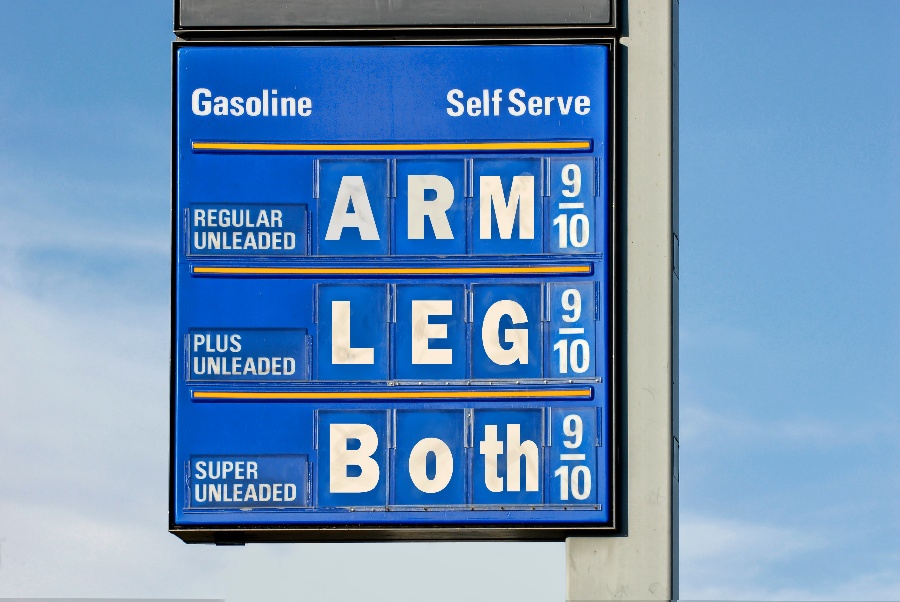






Two of the hardest costs to ignore are gas and diesel.
As of late September 2026, AAA put the national average for regular gasoline near $4.46–$4.48 a gallon, with diesel around $6.44. That is well above pump prices a year ago. Commercial auto insurance is still climbing too. Industry surveys show the line has posted rate increases for years, and small operators usually feel it first.

You cannot control crude oil or the insurance market. You can control how much fuel you burn, how clean your loss history looks, and how you replace vehicles before both costs compound.
Why This Squeeze Hits Small Fleets Harder
Fuel is a weekly cash expense. Insurance is an annual shock. When both rise at once, the monthly number that felt manageable in spring starts crowding out maintenance, upfits, and replacements.
Insurers are also pricing in higher repair costs and larger claims. A clean safety record and documented vehicle care now matter more at renewal than they did a few years ago.
The goal is not to “wait it out.” The goal is to cut the waste inside both bills.
Start With a Simple Two-Bucket Budget
Split operating costs into what you can change this month and what you can only improve before the next renewal.
This month (fuel)
- Miles driven
- Idle time
- Vehicle choice and load
- Driver habits
Next renewal (insurance)
- Claims and incidents
- Driver records
- Vehicle age and safety features
- Documentation of inspections and training
If you treat them as one lump “overhead” number, you will miss the levers that actually move.
Cut Fuel Spend Without Replacing the Whole Fleet
1. Measure real miles and idle time.
Guessing hides the leak. Track gallons, miles, and idle hours by vehicle for 30 days. The first report usually shows one or two units burning far more than the rest.
2. Fix the cheap losses first.
Underinflated tires, dirty filters, and dragging brakes waste fuel every day. Fall service is a good time to catch them. See Fall Maintenance That Prevents Winter Breakdowns.
3. Right-size the vehicle to the route.
A full-size van on short, light routes costs more at the pump than a smaller cargo van that still does the job. Payload and body style matter more when gasoline is $4.50.
4. Set a fuel rule drivers can follow.
Examples: no unnecessary idling, no premium fuel unless the vehicle requires it, report a sudden drop in MPG the same week it happens.
5. Use newer, more efficient units where the miles are highest.
Put the thirstiest vehicles on the shortest routes. Save the efficient ones for the high-mileage days.
External resource: Current national pump prices are published daily by AAA Fuel Prices.
Make the Insurance Bill Defendable
Insurers do not reward good intentions. They reward proof.
Build a file before you shop quotes
- Written safety policy
- Inspection logs
- Driver training records
- List of safety equipment (cameras, telematics, lighting)
- Notes on what changed after any claim
Reduce the claims that raise rates
- Enforce seatbelts and phone rules
- Fix lighting and tire issues immediately
- Coach harsh braking and speeding if you have telematics
- Take damaged vehicles out of service until they are safe
Shop earlier than you think.
Start 90 days before renewal. Waiting until the last two weeks leaves you with one quote and no leverage.
Use Vehicle Timing as a Budget Tool
Older vans and pickups often cost more in two places at once: they burn more fuel, and they are more expensive to insure or repair after a claim.
Ask three questions before winter:
- Which vehicles have the worst MPG?
- Which ones have open safety issues?
- Which leases or replacements come due in the next 6–12 months?
Replacing the worst unit can lower both fuel and risk. That is more effective than squeezing every vehicle equally.
A 90-Day Action Plan
| Window | Fuel actions | Insurance actions |
|---|---|---|
| Days 1–30 | Track MPG and idle; inflate tires; fix obvious waste | Pull loss runs; list drivers and vehicles |
| Days 31–60 | Reassign high-mile routes; coach idle and speeding | Update safety file; finish inspections |
| Days 61–90 | Park or replace the worst fuel users | Request quotes with the completed file |
This is enough structure for a small fleet. You do not need new software to start.
Key Takeaways
- Fuel and insurance are rising together, so attack both on purpose.
- Track gallons, miles, and idle time before you change vehicles.
- Give insurers a file, not a story.
- Put efficient, safer units on the highest-mile routes.
- Start renewal prep 90 days out.
- Use upcoming replacements to cut the two cost lines at the same time.
You cannot stop the market. You can stop paying for wasted miles and undocumented risk.
Need a clearer picture of which vans and pickups are draining the budget? Contact Wilmar. We can review your current units, map replacement timing, and help you plan a fleet that runs cheaper and is easier to insure.