




Small and medium-sized businesses (SMBs) managing vehicle fleets face escalating operational costs in 2026, driven by inflation in maintenance and repair expenses, volatile fuel prices, labor shortages, and regulatory pressures.
These challenges necessitate strategic approaches to preserve financial stability while maintaining service levels. This article outlines key cost drivers and provides evidence-based containment strategies to help SMB fleet managers optimize resource allocation.

Understanding the Landscape of Rising Fleet Expenses
In 2026, fleet management faces persistent economic headwinds. Maintenance and repair costs have risen significantly, with inflation in this category projected to reach approximately 6.9% by late 2025, nearly 2.5 times the overall inflation rate.
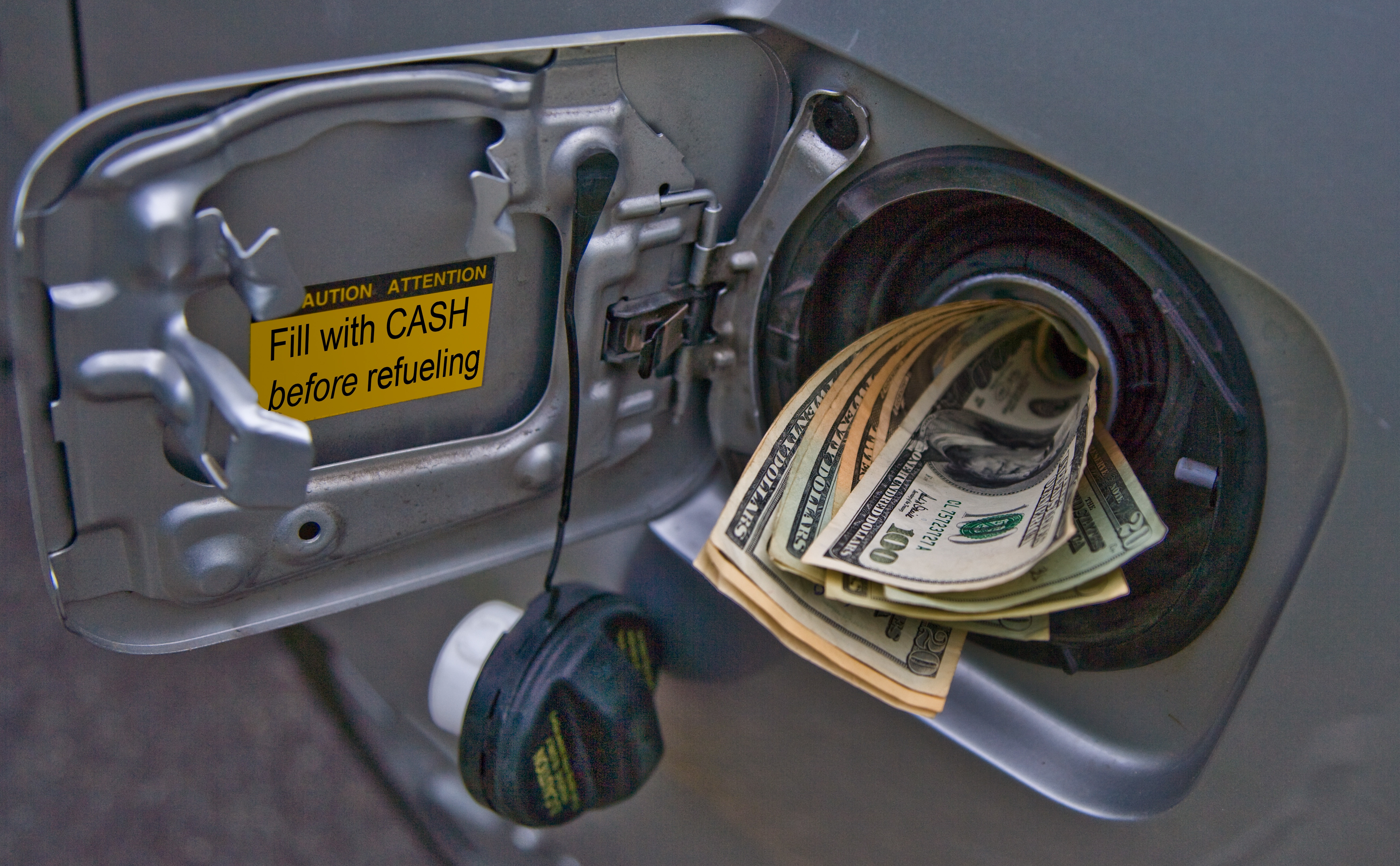
Fuel expenditures continue to account for 25% to 35% of total fleet costs, driven by market volatility and geopolitical factors. Insurance premiums, parts pricing, and technician shortages further compound these pressures, resulting in increased downtime and unplanned repairs for fleets.
Regulatory compliance, including emissions standards and electronic logging device mandates, adds to the burden and could increase operational expenses by 10% to 14% if not addressed. For SMBs, these trends underscore the imperative for proactive cost management to mitigate impacts on profitability.
Strategy 1: Implement Preventive Maintenance Programs
Shifting from reactive to preventive maintenance represents a foundational approach to cost containment. Fleets achieving over 90% compliance with preventive schedules incur 44% fewer repair expenses and 3.5 times fewer breakdowns.
Utilize computerized maintenance management systems (CMMS) to automate scheduling based on mileage, engine hours, or calendar intervals, thereby reducing emergency interventions. Regular inspections, combined with data from onboard diagnostics, enable early detection of issues, potentially saving 8% to 12% of total costs. Partner with vendors for standardized workflows to enhance accountability and minimize labor inefficiencies.
Strategy 2: Optimize Fuel Consumption
Fuel remains a primary controllable expense, warranting targeted optimization efforts. Deploy telematics to monitor idling, which consumes 0.5 to 1.0 gallons per hour, and enforce anti-idling policies through automated alerts.
Route planning software can reduce unnecessary mileage, while tire pressure monitoring—addressing each underinflated PSI that costs 0.3% in efficiency—further conserves resources. Eco-driving training programs that focus on behaviors such as smooth acceleration can yield 12% to 18% savings, as top-performing drivers consume 25% less fuel than their counterparts.
Strategy 3: Leverage Telematics and Data Analytics
Affordable telematics platforms democratize access to real-time data, facilitating informed decision-making. These tools enable predictive analytics for maintenance, driver behavior scoring, and route optimization, potentially reducing overall expenses by 10% to 20%.
Integration with fuel card systems identifies misuse and inefficiencies, while geofencing ensures compliance with operational boundaries. For SMBs, starting with scalable solutions enables gradual adoption, yielding measurable returns through reduced downtime and improved asset utilization.
Strategy 4: Right-Size the Fleet and Enhance Asset Utilization
Underutilized vehicles tie up capital unnecessarily, with average fleets holding 15% to 20% of assets idle. Conduct utilization audits using telematics data to identify and eliminate redundancies, achieving 5% to 8% cost reductions.
Optimize replacement cycles based on total cost of ownership (TCO) analyses, balancing acquisition costs with long-term maintenance projections. Flexible sourcing, including leasing options, provides adaptability amid economic uncertainty.
Strategy 5: Enhance Driver Training and Safety Programs
Driver behavior significantly influences costs, particularly through accidents and inefficiencies. Implement micro-training modules and incentive structures to promote safe practices, potentially decreasing accident rates by 6.8% and saving over $1 million in deductibles and downtime for larger fleets—scalable benefits for SMBs.
Video telematics aids coaching, supports driver exoneration in disputes, and helps qualify for 5% to 15% insurance discounts. Wellness initiatives address fatigue, reducing injury claims, and supporting retention amid workforce shortages.
Strategy 6: Negotiate Vendor Contracts and Consider Outsourcing
Strategic vendor partnerships can mitigate rising parts and labor costs. Negotiate fixed-rate maintenance contracts and leverage bulk purchasing for tires and supplies. Outsourcing non-core functions, such as compliance management or repairs, allows focus on core operations while controlling expenses through specialized expertise. Evaluate providers for transparency and alignment with fleet needs to ensure cost-effective outcomes.
Strategy 7: Adopt Activity-Based Costing and TCO Analysis
Refine financial oversight through activity-based costing (ABC), which allocates expenses by asset class and usage patterns, informing replacement decisions and budgeting. TCO models incorporate ownership, operating, and lifecycle costs, revealing opportunities to reduce equipment retention and job allocation costs. Regular KPI tracking, including cost per mile and utilization rates, supports data-driven adjustments.
Strategy 8: Manage Risk and Insurance Effectively
Risk management integrates with cost containment by preventing incidents that inflate premiums. Establish post-accident protocols and utilize telematics for behavior monitoring to achieve up to 30% improvements in loss ratios, potentially saving $150,000 annually for mid-sized fleets. Compliance with DOT requirements, including drug testing and inspections, averts fines and operational disruptions.
Conclusion
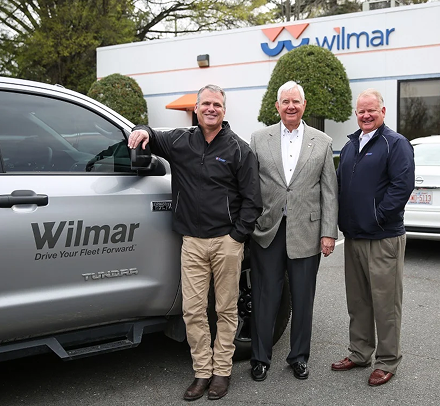
Amid rising fleet expenses in 2026, SMB owners can implement these strategies to achieve substantial savings—potentially up to 35% in operating costs through disciplined execution. By prioritizing preventive measures, data utilization, and strategic planning, businesses enhance resilience and competitiveness. For tailored assessments or additional resources on fleet optimization, contact us at Wilmar, Inc. to engage with one of our fleet management professionals.