

Calculating and reducing the total cost of ownership (TCO) represents one of the most effective ways for service-based businesses to optimize fleet expenses and improve profitability. For companies in plumbing, electrical contracting, HVAC, pest control, and similar trades, fleet vehicles—primarily light-duty sedans, cargo vans, and light trucks—constitute a significant operational investment. TCO encompasses all costs associated with acquiring, operating, maintaining, and ultimately disposing of these vehicles over their lifecycle, extending well beyond the initial purchase or lease price.

Recent industry benchmarks indicate that service provider fleets achieved a median annual TCO of approximately $9,584 per vehicle in 2025, with a cost per mile (CPM) of $0.24. These figures reflect efficient operations in localized service areas using light-duty vehicles.
Understanding and actively managing TCO enables businesses to identify inefficiencies, make informed decisions on vehicle selection, replacement timing, and operational practices, and achieve measurable savings.
Key Components of Fleet TCO
A comprehensive TCO calculation includes the following primary cost categories:
- Acquisition Costs: These include the upfront expenses of acquiring vehicles, such as purchase price, leasing fees, delivery charges, taxes, registration fees, and initial upfitting (e.g., shelving, racks, or partitions). For service fleets, acquisition typically accounts for 20–30% of lifetime costs, though leasing structures can spread these over time.
- Depreciation: Often the largest single component (frequently 40–50% of TCO), depreciation reflects the vehicle's loss in value over time due to age, mileage, and condition. Light-duty commercial vehicles experience rapid initial depreciation, followed by a more gradual decline. Accurate estimation requires considering the expected resale value at the end of the ownership period.
- Fuel or Energy Costs: A major ongoing expense, fuel (or electricity for electric vehicles) typically accounts for a significant share of operating costs. Service fleets benefit from localized routes, which can limit consumption compared to long-haul operations.
- Maintenance and Repair Costs: These include preventive maintenance, tire and brake service, oil changes, and unscheduled repairs. Costs rise with vehicle age and mileage; predictive maintenance through telematics can mitigate unexpected expenses.
- Insurance Premiums: Commercial auto insurance covers liability, collision, and comprehensive risks. Premiums vary based on driver records, vehicle type, usage patterns, and claims history.
- Administrative and Compliance Costs: These encompass licensing, registration renewals, taxes, driver training, and fleet management software or oversight.
- Downtime and Opportunity Costs: Vehicle unavailability due to repairs or maintenance results in lost productivity, potential overtime, or subcontracting. These indirect costs often prove substantial in service industries reliant on rapid response.
The fundamental TCO formula is:
TCO = Acquisition Costs + Operating Costs (fuel + maintenance + insurance + admin) + Depreciation – Resale Value
For annual or per-mile metrics:
- Annual TCO per vehicle = Sum of yearly costs across categories.
- Cost per mile (CPM) = Total TCO ÷ Total miles driven over the period.
To compute lifecycle TCO, aggregate costs over the ownership duration (typically 3–7 years for light-duty service fleets) and subtract projected resale value.
Step-by-Step Process to Calculate Your Fleet's TCO
- Define the Scope and Timeframe: Determine whether the analysis applies to a single vehicle, vehicle class, or entire fleet. Select a consistent period, such as the expected ownership lifecycle or one year, for benchmarking.
- Gather Accurate Data: Collect historical records on purchase/lease costs, fuel receipts, maintenance invoices, insurance statements, mileage logs, and resale estimates (using tools like industry guides or auction data).
- Quantify Each Cost Component: Assign values to acquisition, depreciation (e.g., (Purchase Price – Resale Value) ÷ Ownership Years), fuel, maintenance, insurance, and other expenses.
- Apply the Formula: Sum direct costs, subtract resale value, and derive per-vehicle or per-mile figures.
- Benchmark and Analyze: Compare results against industry standards (e.g., $9,584 annual TCO or $0.24 CPM for service fleets) to identify variances.
Actionable Strategies to Reduce TCO
Service businesses can lower TCO through targeted measures:
- Optimize Vehicle Selection — Choose models with strong fuel efficiency, reliability, and high residual value to minimize depreciation and operating costs.
- Implement Preventive Maintenance — Schedule regular servicing and leverage telematics to generate predictive alerts, reducing repair frequency and severity.
- Improve Fuel Management — Adopt efficient driving practices, route optimization, and consider hybrid or electric vehicles where daily ranges align.
- Leverage Leasing — Flexible leasing from providers like Wilmar Inc. avoids high upfront costs, includes maintenance coordination, and facilitates timely vehicle replacement to control depreciation.
- Enhance Driver Training and Monitoring — Safe driving reduces accidents, insurance claims, and fuel consumption.
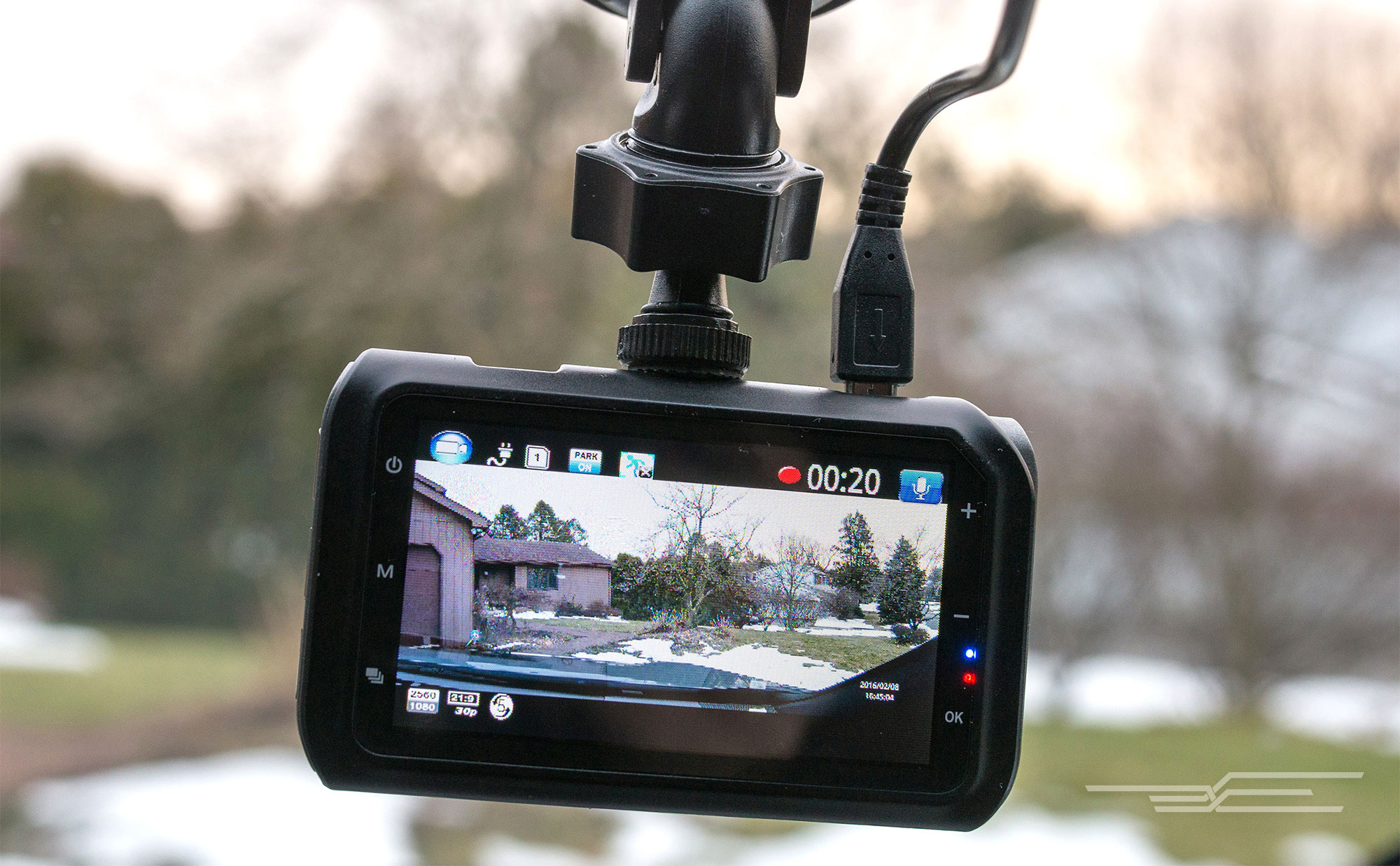
- Utilize Telematics and Data Analytics — Track real-time usage to identify inefficiencies in routes, idling, or behavior.
- Time Replacements Strategically — Replace vehicles before repair costs escalate, balancing depreciation against rising maintenance.
Conclusion
Accurately calculating the total cost of ownership provides service-based businesses with a clear financial picture of fleet performance, enabling data-driven decisions that enhance efficiency and competitiveness. By addressing all cost components systematically and implementing reduction strategies, companies can achieve substantial savings while maintaining reliable operations.
At Wilmar Inc., our fleet management experts perform detailed TCO analyses tailored to your specific vehicles, mileage patterns, and industry requirements. We assist in vehicle selection, leasing options, maintenance coordination, and ongoing optimization to minimize costs and maximize value.
Contact us to schedule a comprehensive fleet review and discover how strategic management can lower your TCO and support long-term business success.