

You finally found a solid HVAC tech who shows up on time, knows his stuff, and customers love. Then one bad incident on the road—harsh braking in traffic, a near-miss at a job site, or just frustration with constant van issues—and he’s gone to a competitor offering newer trucks and better support.
Sound familiar? In 2026, driver safety and retention aren’t just HR issues. They’re directly tied to your bottom line. High turnover costs small Southeast service fleets thousands per hire in recruiting, training, and lost productivity. Meanwhile, fleets that invest in real-time coaching and safety tech are seeing fewer crashes, lower insurance, and techs who actually stick around.

Here’s why this matters more than ever for local and regional operators—and how Wilmar makes it simple for businesses running vans and pickups across the Carolinas, Georgia, and beyond.
The Real Cost of Unsafe Driving and High Turnover
For HVAC, plumbing, electrical, and landscaping crews, your techs are the fleet. When good people leave, you don’t just lose a warm body—you lose institutional knowledge, customer relationships, and momentum on jobs.
Common pain points in 2026:
- Technician shortages are still brutal. Replacing one experienced tech can cost 50-200% of their annual salary, including recruiting, training, and ramp-up time.
- Unsafe driving habits (speeding in work zones, harsh braking, distracted driving) increase fuel consumption, brake wear, and—most painfully—insurance premiums.
- One at-fault incident can spike your rates for years and make it harder to attract quality drivers who now expect modern tools and support.
More than half of drivers say fleet technology directly influences whether they stay in a job. If your vans feel outdated or your safety program is nonexistent, good people notice—and they leave.
Why Safety Coaching + Telematics Is Paying Off Big in 2026
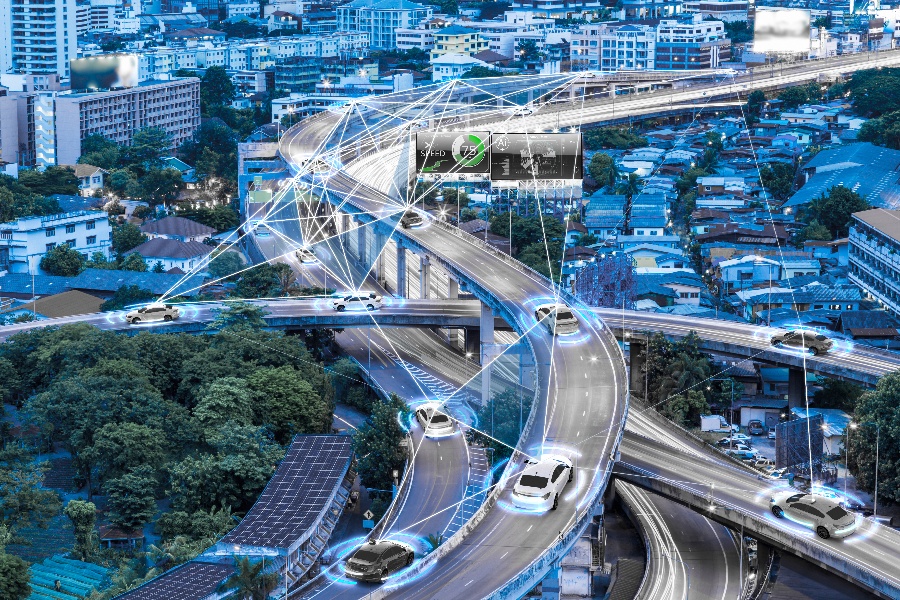
The game has changed. AI dash cams, real-time behavior scoring, and targeted coaching are no longer just for big fleets. Small and mid-sized operators are using them to:
- Cut crash rates by 60-73% in some cases
- Drop insurance premiums 5-22% by proving lower risk with data
- Improve driver behavior by 41% within 60 days through positive reinforcement and gamification
The best part? Modern systems don’t feel like Big Brother. Short coaching clips, safety score dashboards, and even small rewards for safe habits turn safety into something drivers actually appreciate instead of resent.
For Southeast service work—tight job sites, stop-and-go traffic, summer heat—these tools catch risky patterns (idling with AC blasting, following too close on highways) before they turn into incidents.
How Wilmar Makes Driver Safety Practical for Local Fleets
Wilmar’s approach is built for the exact fleets we serve: 5-30 vans and pickups doing local and regional service work. No over-engineered enterprise platforms. Just tools that fit your operation and integrate directly with your leasing program.
Here’s what it looks like on the ground:
- AI cameras that coach, not just record — Clips of hard braking or unsafe turns go straight to managers with simple, actionable feedback. Techs get quick tips instead of write-ups.
- Telematics tied to real Southeast conditions — We factor in local traffic patterns, weather, and job-site realities so alerts actually make sense for your routes.
- Insurance wins built in — Safety data gets shared with carriers (with your approval) to qualify for discounts. Many clients see meaningful premium relief within the first renewal cycle.
- Retention-friendly culture — When techs see you investing in safer vehicles, better tools, and fair coaching, they feel valued. That directly reduces the turnover that’s killing so many service businesses right now.
The Numbers That Matter for Your Operation
Fleets combining telematics, AI coaching, and proactive safety programs consistently report:
- 30%+ reduction in total loss costs
- Stronger insurance positioning and lower premiums
- Measurably better retention as drivers respond to modern tools and recognition for safe habits
- Lower fuel and maintenance spend from smoother driving
For a 15-20 vehicle service fleet in the Southeast, even a 10-15% drop in incidents or turnover can mean tens of thousands back in the business every year—money that goes straight to growth instead of replacing people and fixing damaged vans.
Key Takeaways
- Driver safety and retention are connected — Better tools and coaching keep good techs longer while cutting insurance and repair costs.
- 2026 tech is finally accessible for SMBs — AI cameras and real-time coaching no longer require enterprise budgets or dedicated staff.
- Positive reinforcement works — Gamification and fair feedback improve behavior faster than punishment ever did.
- Southeast realities make this urgent — Heat, traffic, and tight job sites amplify risks that modern safety programs catch early.
Your best techs have options in this market. The fleets that keep them are the ones investing in safer, smarter operations—not just newer paint jobs on the vans.
Ready to protect your people, your premiums, and your profit margins? Reach out to Wilmar for a free safety and retention assessment. We’ll look at your current setup, show you real Southeast examples, and map out exactly what driver coaching and modern fleet tools could mean for your operation this year.