





As we approach 2026, artificial intelligence (AI) and data analytics are transforming fleet management from reactive operations to proactive, data-driven strategies. These technologies enable fleet operators to optimize efficiency, reduce costs, and enhance safety through real-time insights and predictive capabilities. Industry reports indicate that AI adoption in fleet management is accelerating, with projections showing significant growth in market value and widespread implementation of predictive tools.

For businesses managing commercial fleets, including micro fleets, integrating AI offers substantial advantages in an increasingly competitive landscape.

Core Applications of AI and Data Analytics
AI and data analytics integrate with telematics systems to process vast amounts of vehicle data, providing actionable intelligence.
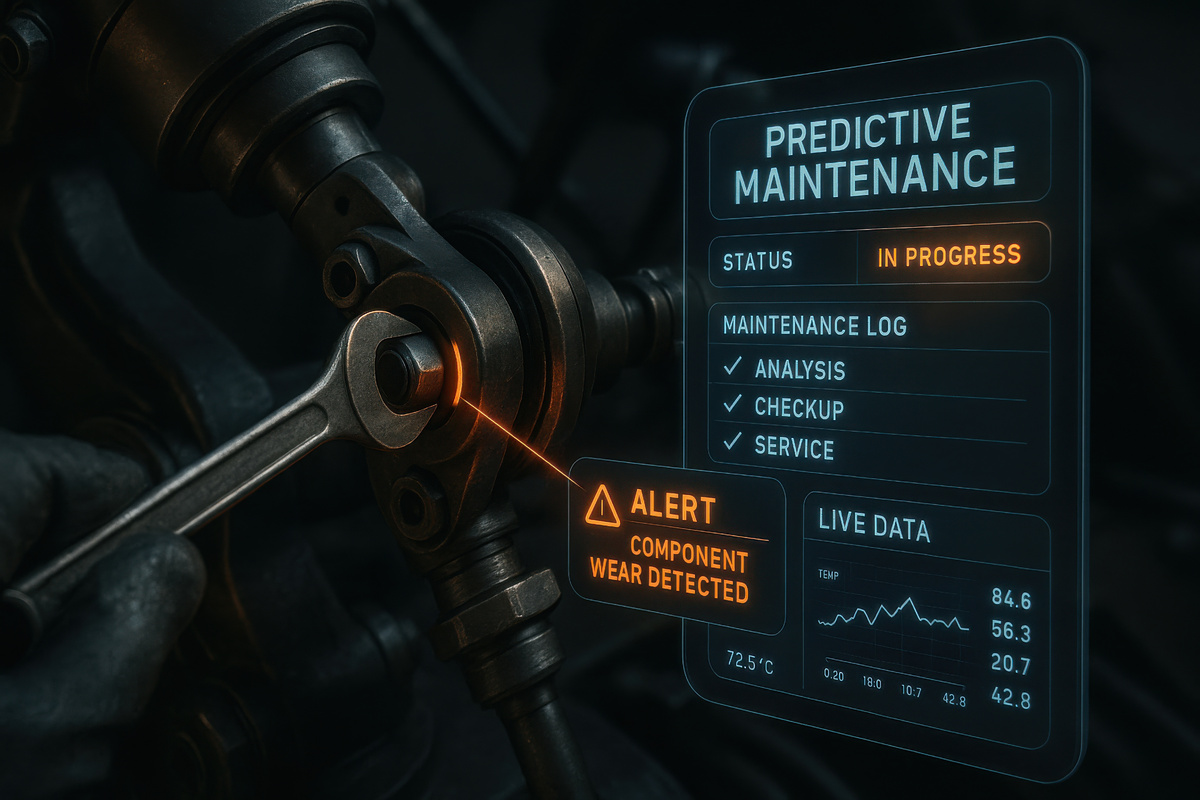
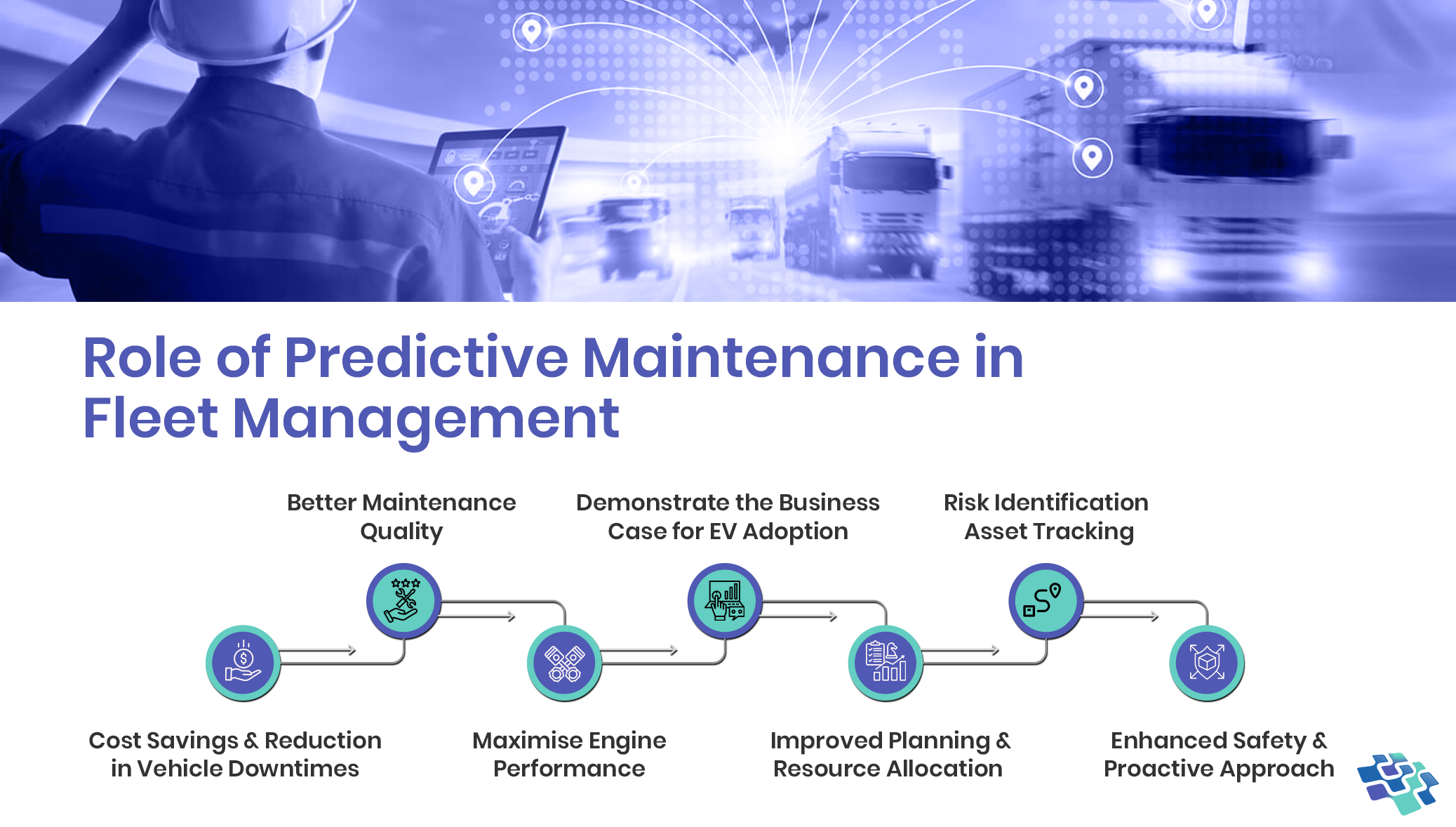
Predictive Maintenance
AI algorithms analyze sensor data to forecast component failures, shifting from scheduled to condition-based maintenance. This approach can reduce unplanned downtime by up to 50%, maintenance costs by 20-40%, and extend vehicle lifespan significantly.
Route Optimization and Fuel Efficiency
Machine learning models evaluate traffic, weather, and historical patterns to recommend optimal routes, potentially decreasing fuel consumption by 10-20% and improving delivery times.
Driver Safety and Behavior Monitoring
Computer vision and telematics enable real-time monitoring of driving habits, identifying risks such as harsh braking or distraction. AI-driven coaching can lower accident rates and support compliance with safety regulations.
.png)
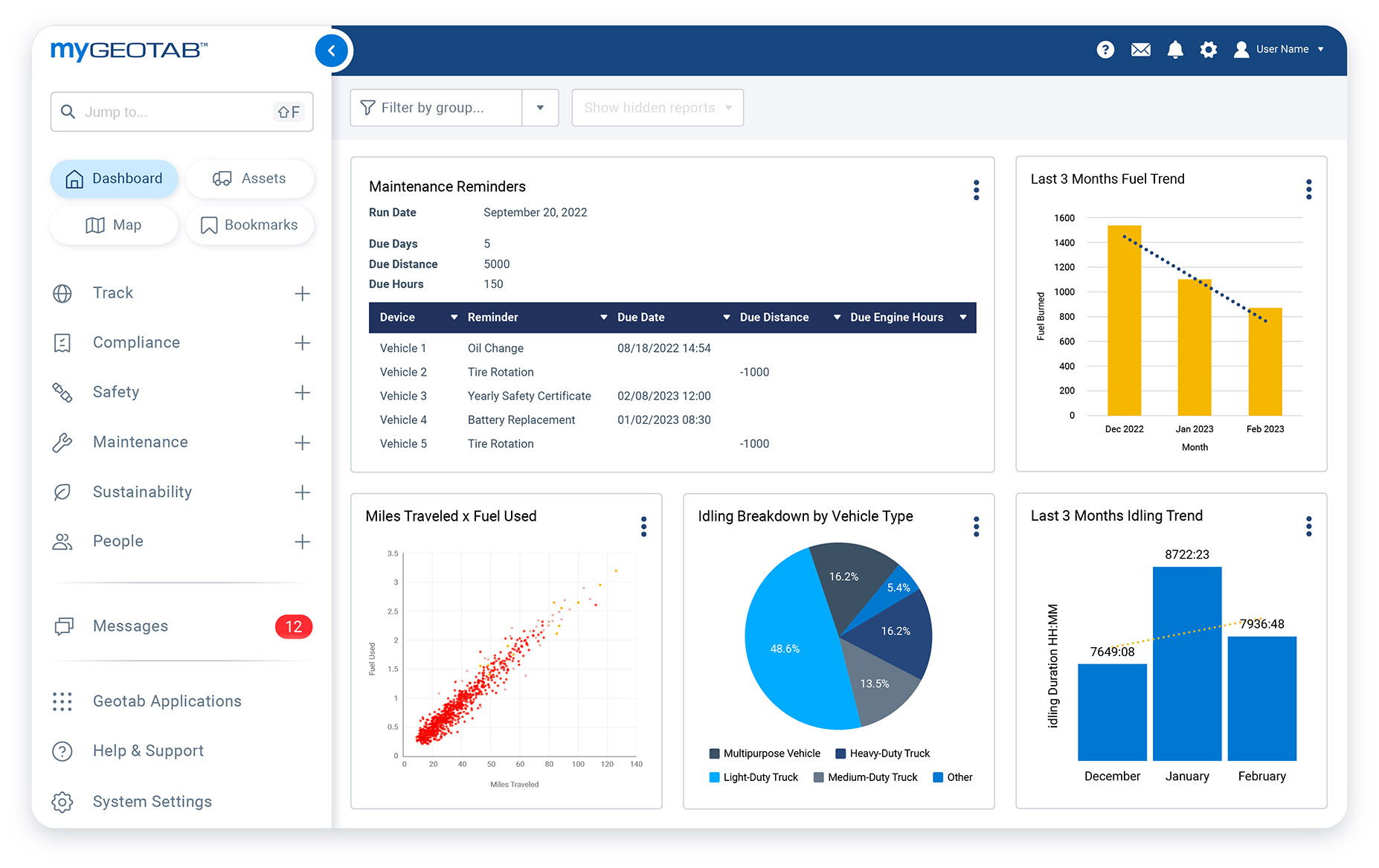
Overall Operational Insights
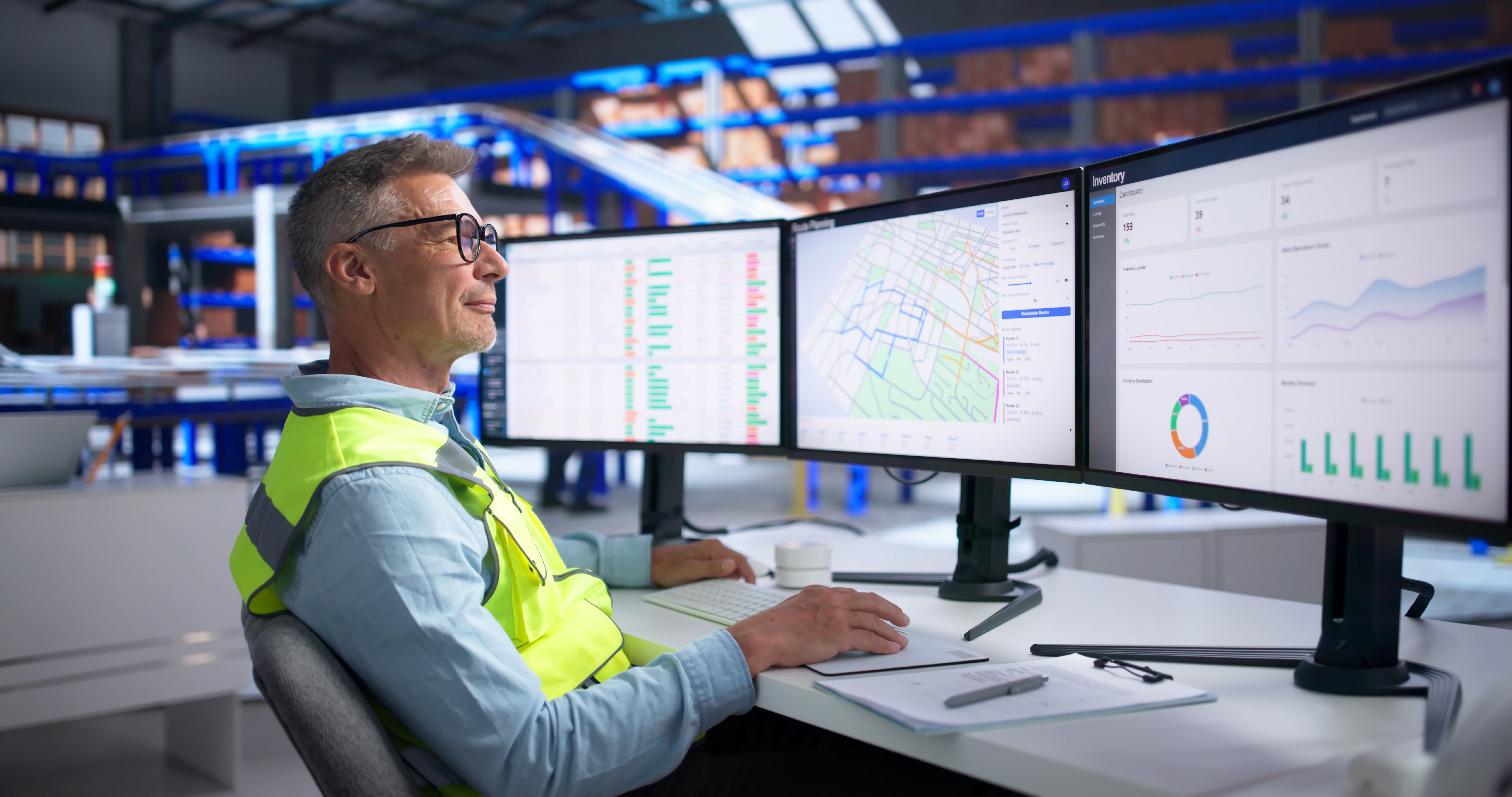
Centralized dashboards aggregate data for benchmarking performance, cost per mile analysis, and strategic decision-making.

Benefits for Fleet Operations
Implementing these technologies yields measurable outcomes:
- Cost Reduction: Lower maintenance, fuel, and repair expenses through proactive interventions.
- Increased Uptime: Fewer breakdowns ensure higher vehicle availability.
- Enhanced Safety: Reduced incidents contribute to lower insurance premiums and regulatory compliance.
- Sustainability: Optimized routing and maintenance support reduced emissions, aligning with environmental goals.
These benefits are particularly valuable for growing businesses transitioning from micro fleets to larger operations.
Implementing AI Strategies in 2026
Successful adoption begins with telematics integration, followed by AI platform selection tailored to fleet size. Start with pilot programs focusing on high-impact areas like predictive maintenance. Partnering with experienced providers ensures seamless implementation and ongoing support.
Conclusion
AI and data analytics represent essential tools for fleet management in 2026, driving efficiency, safety, and cost savings. At Wilmar Inc., we offer customized fleet leasing, analysis, and maintenance solutions that incorporate advanced technologies to meet your evolving needs. Our team can assist in evaluating and integrating AI-driven strategies for your operations. Contact us for a consultation to explore how these innovations can enhance your fleet performance.