






In the domain of corporate fleet management, optimizing the resale value of company vehicles represents a strategic imperative for reducing overall ownership costs and achieving superior financial outcomes during trade-ins or sales.

By implementing rigorous maintenance protocols, organizations can prolong vehicle longevity, mitigate depreciation, and appeal to discerning buyers in the secondary market. This approach not only preserves asset value but also supports sustainable fleet operations.

The Impact of Maintenance on Resale Value
Empirical evidence underscores the profound influence of maintenance on vehicle resale value. For instance, vehicles with comprehensive service records can command up to 20% higher resale prices compared to those lacking such documentation.
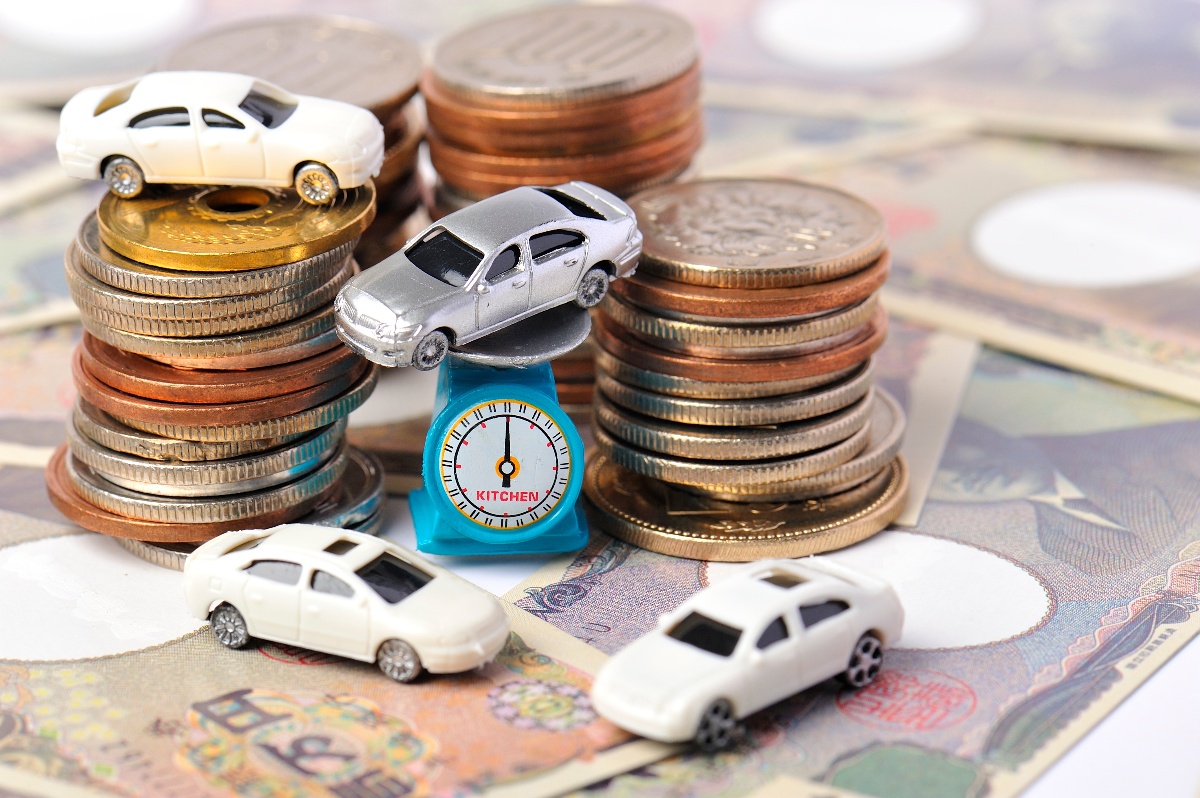
Conversely, neglecting routine maintenance—such as oil changes or tire rotations—may accelerate depreciation by 10% to 20%, potentially diminishing the value of a $30,000 vehicle by several thousand dollars over time. These statistics highlight the economic rationale for prioritizing maintenance, as well-maintained fleets exhibit greater reliability and lower long-term repair costs, factors that buyers highly value.
Furthermore, poor maintenance can exacerbate environmental and safety concerns, including increased emissions and heightened accident risk from component failures.

Best Practices for Maintenance and Optimization
To maximize trade-in returns, fleet managers should adopt a multifaceted maintenance strategy encompassing preventive care, aesthetic preservation, and strategic timing. The following table outlines key practices, derived from industry insights, along with their rationale and expected benefits.
| Practice | Description | Rationale and Benefits |
|---|---|---|
| Adhere to Manufacturer-Recommended Service Schedules | Conduct regular oil changes, fluid checks, and inspections at prescribed intervals. | Ensures mechanical integrity, prevents costly breakdowns, and maintains warranty validity, thereby enhancing buyer confidence and resale value. |
| Address Repairs Promptly | Fix minor damages, such as dents or mechanical issues, without delay. | Minimizes escalation of problems, preserves vehicle condition, and avoids value erosion from accumulated wear. |
| Maintain Immaculate Appearance | Perform routine cleaning of interiors and exteriors, including professional detailing before resale. | Improves curb appeal, which significantly influences first impressions and can slow depreciation rates. |
| Keep Detailed Service Records | Document all maintenance, repairs, and inspections in an organized manner. | Provides verifiable proof of care, potentially increasing resale value by demonstrating reliability to prospective buyers. |
| Select Neutral Colors and Practical Specifications | Opt for popular colors like white or silver and avoid excessive customizations. | Neutral aesthetics broaden market appeal, while essential features ensure higher demand without over-specification that may deter buyers. |
| Monitor Market Timing | Sell or trade vehicles during favorable market conditions, such as peak demand seasons. | Aligns with supply-demand dynamics to capture maximum value, avoiding periods of oversupply or economic downturns. |
| Employ Multi-Channel Remarketing | Utilize auctions, direct sales to dealers, or online platforms rather than sole reliance on trade-ins. | Diversifies selling options to secure the highest possible returns by accessing broader buyer pools. |
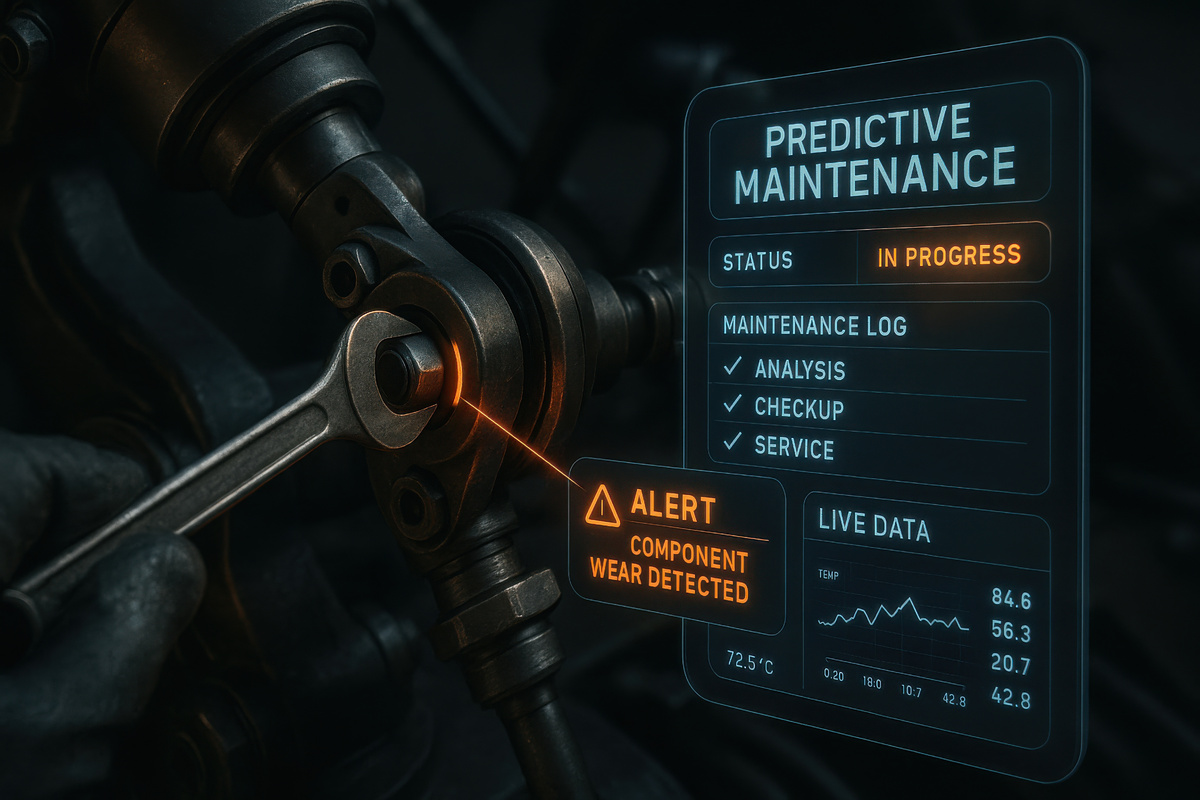
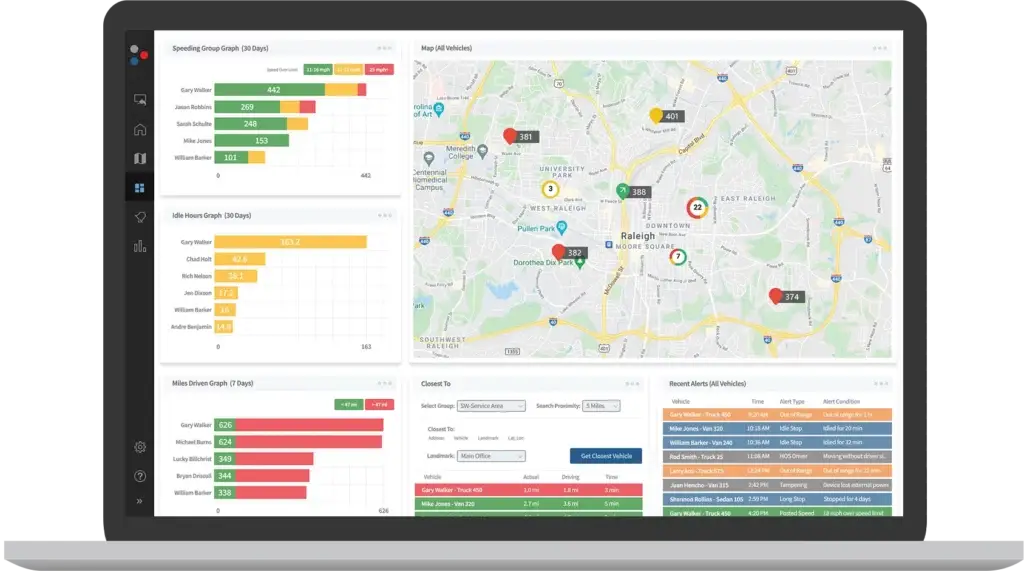
Implementing these practices requires a proactive stance, including the integration of fleet management software for tracking and reminders. Regular inspections further aid in identifying issues early, optimizing performance and resale potential.
Additional Considerations
Beyond core maintenance, organizations should evaluate vehicle usage patterns to minimize mileage accumulation, as lower odometer readings correlate with higher values, provided maintenance history remains robust. Additionally, investing in eco-friendly practices, such as timely emissions checks, can align with buyer preferences for sustainable assets.
Conclusion
Optimizing resale value through diligent vehicle maintenance is an essential component of effective fleet management, yielding substantial financial advantages and operational efficiencies.
By adhering to these evidence-based strategies, companies can transform their vehicles from mere expenses into valuable assets that deliver maximum returns upon disposition. Fleet managers are encouraged to integrate these principles into their protocols to achieve long-term fiscal prudence.