


You're spending half your morning in a spreadsheet, guessing which van needs an oil change and which route burned the most diesel last week. For small regional fleet owners running 5 to 50 vehicles, this kind of guesswork adds up fast in missed savings and unplanned downtime.
Fleet analytics changes that equation. It turns raw data from your vehicles, routes, and drivers into clear decisions you can act on today. This guide covers everything you need to know about evaluating fleet analytics and optimization services for your operation, from core features and ROI signals to choosing a provider who fits your size and region.
At Wilmar, Inc., your independent fleet partner in Charlotte, we help SMBs across the Southeast put analytics to work without the heavy infrastructure that national programs demand. Here's how to get started.

Key Takeaways: Fleet Analytics for Small Fleets
- Fleet analytics turns vehicle data into actionable cost-reduction and efficiency decisions for small operations.
- Telematics, fuel tracking, and maintenance alerts form the core data layer every small fleet needs.
- ROI from fleet analytics often appears in reduced fuel spend and fewer unplanned repairs within months.
- Wilmar, Inc. offers affordable telematics and analytics packages built for SMB fleets in the Southeast.
- Choosing a regional fleet partner over a national program gives you customized analytics that fit your routes.
What Is Fleet Analytics and Why Does It Matter?
Fleet analytics is the practice of collecting, organizing, and interpreting vehicle data to make better operational decisions. That data comes from telematics devices, fuel cards, maintenance logs, and driver behavior sensors installed across your fleet.
For a small fleet owner, analytics answers questions you've been guessing at. Which vehicles cost the most per mile? Which routes waste fuel? Where are maintenance dollars going? When you can answer those questions with real numbers, you stop reacting to problems and start preventing them.
The difference between a fleet that runs on gut instinct and one that runs on data shows up in your operating costs every single month.
How Does Fleet Analytics Differ from Fleet Management?
Fleet management covers the daily tasks of running your vehicles: scheduling maintenance, handling registrations, managing driver assignments, and coordinating repairs. Analytics is the intelligence layer that sits on top of those activities.
Think of it this way: fleet management keeps your trucks on the road. Fleet analytics tells you whether those trucks are on the right road, at the right time, carrying the right load. One handles execution; the other drives smarter decisions.
Many fleet partners, including Wilmar, Inc., bundle analytics into their management services so you get both execution and insight from a single point of contact.
Core Components of a Fleet Analytics System
Telematics and GPS Tracking
Telematics devices installed in your vehicles collect real-time data on location, speed, idle time, and engine diagnostics. GPS tracking shows you where every vehicle is at any moment, supporting route planning and accountability.
For small fleets, telematics removes the guesswork about how your vehicles are being used. You get a clear picture of daily operations without relying on driver self-reporting or end-of-day paperwork.
Fuel Consumption Monitoring
Fuel typically ranks as the largest variable expense for small fleets. Analytics platforms pull data from fuel cards and telematics to show you exactly where every gallon goes, broken down by vehicle, driver, and route.
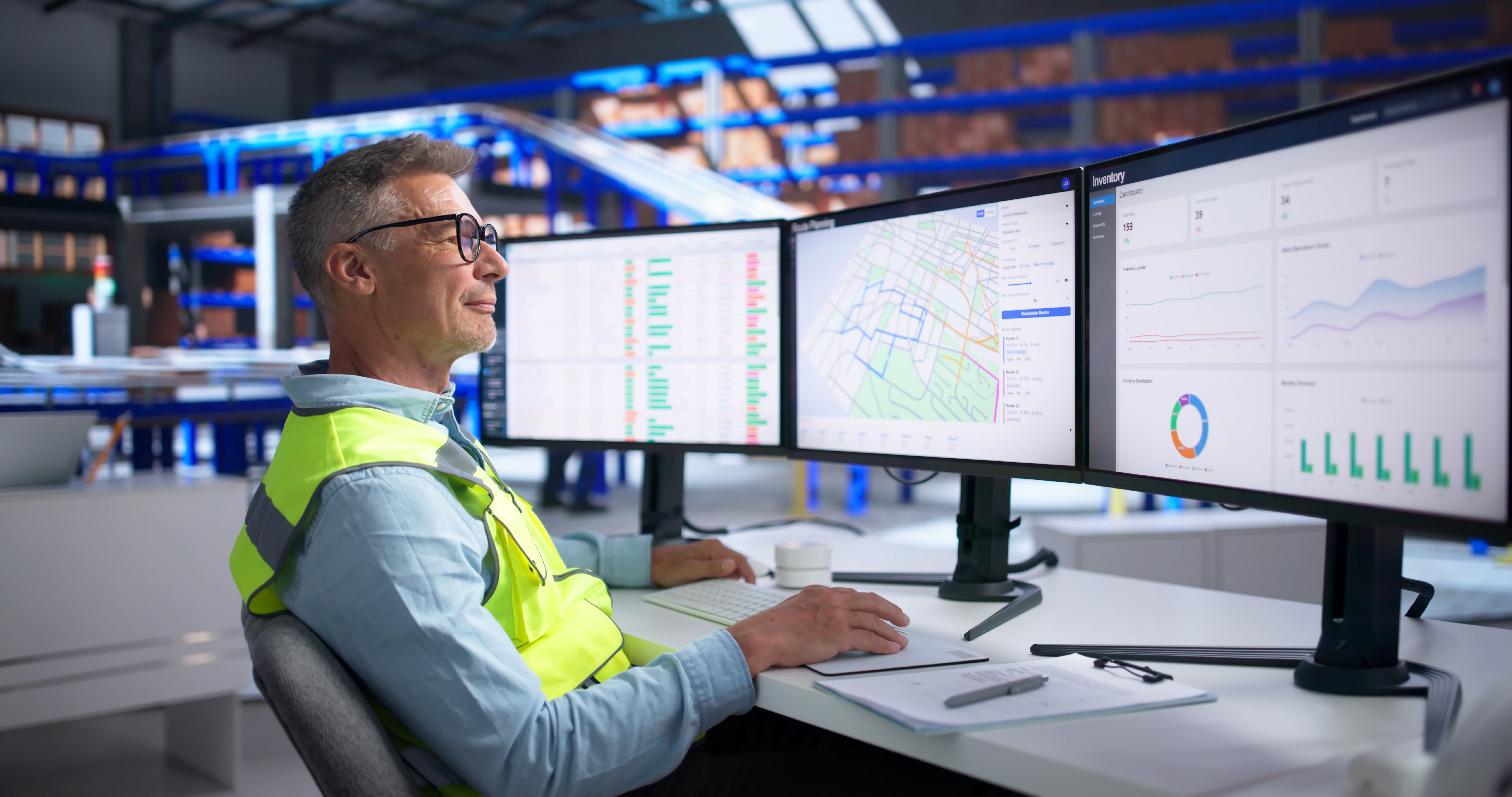
This level of detail helps you spot waste quickly. A vehicle averaging 30% more fuel on the same route as a similar truck points to a maintenance issue, a driving habit, or both. Wilmar, Inc. integrates fuel card data with telematics to give you that visibility in a single dashboard.
Maintenance and Repair Analytics
Tracking maintenance history across your fleet reveals patterns that individual repair invoices can't show. Analytics platforms flag vehicles approaching service intervals, identify repeat issues by make and model, and calculate true maintenance cost per mile.
This data helps you decide when to repair, when to replace, and when to adjust your preventive maintenance schedule. Small fleets benefit here because every vehicle represents a larger percentage of your capacity. One truck down for an avoidable repair hits your operation harder than it would a 500-vehicle fleet.
Driver Behavior Scoring
Telematics data on speeding, harsh braking, rapid acceleration, and idle time feeds into driver behavior scores. These scores help you identify coaching opportunities without unfairly singling anyone out.
The goal isn't surveillance. It's giving your drivers the information they need to improve fuel efficiency and safety on every trip. Fleets that invest in coaching tools often report lower insurance premiums and reduced vehicle wear.
Route Optimization Data
Route analytics compares planned routes against actual routes driven. It identifies detours, backtracking, and time spent in traffic so you can adjust schedules and assignments for tighter, more efficient coverage.
For regional fleets covering the Southeast, where traffic congestion in cities like Charlotte, Atlanta, and Tampa varies by season, this data helps you plan around peak times instead of sitting in them.
What ROI Signals Should Small Fleets Look For?
Fuel Cost Reduction
Route optimization and driver behavior coaching can reduce fuel consumption by 15 to 30% for small fleets. If your fleet spends $8,000 a month on fuel, even a 15% reduction saves $14,400 over a year. That's real money back into your operation.
Track your per-vehicle fuel cost monthly before and after implementing analytics. A consistent downward trend confirms your system is working.
Lower Maintenance Expenses
Shifting from reactive to predictive maintenance reduces repair bills and extends vehicle life. According to the U.S. Department of Energy's telematics guide for fleets, preventive maintenance programs reduce overall maintenance costs significantly while cutting unplanned downtime.
For small fleets, fewer surprise breakdowns also means fewer missed customer appointments and less scrambling to redistribute work across your remaining vehicles.
Reduced Insurance Premiums
Insurers reward fleets that can demonstrate safe driving practices through telematics data. When you show consistent improvements in driver behavior scores, you create a documented safety record that supports lower premium negotiations.
These savings accumulate year over year. A 5 to 10% reduction on fleet insurance is common for operations that share telematics data with their carrier.
Improved Vehicle Utilization
Analytics reveals which vehicles in your fleet are underused and which are overworked. Rebalancing assignments based on this data means you get more productive miles from every vehicle you're paying for.
This insight also informs right-sizing decisions. If data shows you can cover your routes with eight vehicles instead of ten, you avoid the cost of maintaining two vehicles that aren't earning their keep.
How to Evaluate Fleet Analytics Providers for a Small Fleet
Does the Provider Understand Small Fleet Needs?
National fleet programs often build their analytics platforms for fleets with hundreds or thousands of vehicles. The dashboards, reports, and account management models reflect that scale. Small fleet owners frequently end up with tools that are more complex than they need and support teams that don't prioritize smaller accounts.
Look for a provider who offers analytics packages sized for your operation. Ask whether they have clients running 5 to 50 vehicles and what kind of reporting those clients use day to day.
What Data Integration Options Are Available?
Your analytics system needs to pull data from multiple sources: telematics devices, fuel cards, maintenance records, and driver logs. If those data streams don't connect, you end up doing the analysis manually, which defeats the purpose.
Ask potential providers how their platform integrates with your existing fuel card program and maintenance tracking. Wilmar, Inc. connects fuel card data, telematics systems, and maintenance scheduling into one view so you're not toggling between three different logins.
Is the Reporting Actionable or Just Informational?
Data without context is noise. Good analytics platforms don't just show you charts; they tell you what to do next. Look for features like automated alerts when a vehicle exceeds maintenance thresholds, real-time coaching notifications for drivers, and monthly summaries that highlight the top three opportunities to reduce costs.
If you have to hire a data analyst to interpret your fleet reports, the system isn't built for your operation size.
Does the Provider Offer Regional Expertise?
A provider who understands your region knows which vehicle types perform well in your climate, which maintenance issues are common in your area, and how local traffic patterns affect your routes. In the Southeast, humid weather accelerates certain types of wear, and cities like Charlotte and Atlanta have distinct congestion patterns.
Regional knowledge turns generic analytics into recommendations you can act on immediately. That's the advantage of working with a fleet partner who operates in your market every day.
Step-by-Step: How to Implement Fleet Analytics for Your Operation
Step 1: Audit Your Current Fleet Data
Start by gathering what you already have. Pull together fuel receipts, maintenance invoices, vehicle mileage logs, and any GPS data you're currently collecting. This baseline shows where you are today so you can measure improvement once analytics are in place.
Wilmar, Inc. offers free fleet audits that examine your current vehicles, routes, and operating costs. This assessment identifies savings opportunities before you commit to any program.
Step 2: Define Your Priority Metrics
You can't optimize everything at once. Pick the two or three metrics that matter most to your bottom line. For most small fleets, that's fuel cost per mile, maintenance cost per vehicle, and vehicle utilization rate.
Starting focused keeps the process manageable and gives you early wins. You can expand your analytics scope as you get comfortable with the data.
Step 3: Install Telematics Hardware
Work with your analytics provider to install telematics devices across your fleet. Installation is typically quick, often a plug-in OBD-II device that takes minutes per vehicle. Your provider should handle the setup and initial configuration.
Once installed, allow two to four weeks of data collection before drawing conclusions. You need enough baseline data to spot real patterns, not one-off events.
Step 4: Train Your Team on the Dashboard
Analytics tools only work if your team uses them. Schedule a walkthrough with your provider so that dispatchers, fleet managers, and drivers understand what data is available and how to act on it.
Focus training on the daily actions: checking alerts, reviewing route efficiency, and responding to maintenance notifications. Keep it practical and tied to their daily workflow.
Step 5: Review, Adjust, and Expand
Set a monthly review cadence to compare your priority metrics against your baseline. Are fuel costs trending down? Are unplanned repairs decreasing? Is vehicle utilization improving?
Use these reviews to adjust routes, update maintenance schedules, and refine driver coaching programs. As your comfort with analytics grows, add new metrics and reports to deepen your insight.
How Fleet Analytics Supports Smarter Leasing Decisions
Analytics data doesn't just help you run your current fleet better. It also informs your next leasing decision. When you know exactly how each vehicle performs, what it costs to maintain, and how many miles it runs annually, you can match your next lease terms to your actual usage.
This prevents two common mistakes: leasing vehicles that don't fit your routes and locking into terms that don't match your operational cycle. Many clients tell us that analytics data helped them right-size their fleet during their next lease renewal, saving thousands in unnecessary vehicle costs.
Wilmar, Inc. uses your fleet analytics to recommend the right vehicles, lease structure, and refresh timing for your operation. That's the advantage of working with a fleet partner who handles both analytics and leasing under one roof.
What Role Does Predictive Analytics Play in Fleet Optimization?
Predictive analytics takes your historical fleet data and applies statistical models to forecast future outcomes. Instead of waiting for a transmission to fail, predictive tools flag vehicles whose maintenance patterns suggest an impending failure.
For small fleets, this matters because you can't afford to have multiple vehicles sidelined at once. Predictive models help you schedule repairs during planned downtime rather than losing a truck on a busy Monday morning.
AI-powered fleet forecasting is becoming more accessible to SMBs as cloud-based platforms lower the cost of entry. You no longer need a dedicated IT team to run predictive models. A good fleet partner can set up and manage these tools on your behalf.
Common Mistakes Small Fleets Make with Analytics
Collecting Data Without Acting on It
Installing telematics and never reviewing the reports is a common pitfall. Analytics delivers value only when someone reads the data and makes a decision based on it. Set weekly or monthly review cadences and assign ownership to a specific person on your team.
Tracking Too Many Metrics at Once
Trying to monitor every available data point overwhelms small teams. Start with three to five core metrics, master those, and then expand. Clarity beats volume when you're running a lean operation.
Ignoring Driver Buy-In
Drivers who see telematics as a punishment tool will resist it. Frame analytics as a coaching resource that helps them drive safer, reduce fatigue, and maintain their vehicles. When drivers understand the "why," adoption rates climb.
Choosing a Provider Based on Price Alone
The cheapest analytics platform isn't always the right fit. A provider who doesn't understand small fleet operations will deliver generic reports that don't help you make decisions. Choose a partner that offers actionable insights tailored to your fleet size and region.
How Does Fleet Analytics Improve Driver Safety?
Driver safety and fleet analytics are directly connected. Telematics data on speeding, hard braking, and distracted driving creates a clear picture of risk across your fleet. Instead of waiting for an accident to reveal a pattern, you can coach proactively.
This coaching approach protects your drivers rather than punishing them. When a driver receives feedback that their braking patterns suggest following too closely, they can adjust before an incident occurs. That's a better outcome for everyone.
Safer driving also reduces your insurance costs. Insurers increasingly use telematics data in their underwriting models, and fleets with documented safety improvements qualify for lower premiums.
Why Regional Fleet Partners Outperform National Programs for Analytics
National fleet management companies design their analytics tools for scale. The dashboards, benchmarks, and support models assume you're running hundreds of vehicles across multiple states. For a small regional fleet, those assumptions don't fit.
A regional partner knows your roads, your climate, and your labor market. In the Southeast, where humid weather affects vehicle wear and tight labor markets in cities like Raleigh and Tampa make driver retention critical, that local knowledge shapes every analytics recommendation.
Wilmar, Inc. has served Southeast businesses for over four decades, building regional expertise that national programs can't replicate. When your analytics partner understands your market, the data tells a more useful story.
In Conclusion: How to Choose the Right Fleet Analytics Partner
Fleet analytics gives small regional fleet owners the visibility to cut fuel costs, prevent breakdowns, improve driver safety, and make smarter leasing decisions. The technology is accessible, the ROI is measurable, and the right partner makes implementation straightforward.
If you're ready to stop guessing and start using data to run your fleet, reach out to Wilmar, Inc. for a free fleet consultation. We'll review your current setup, compare options side by side, and design a customized analytics strategy tailored to your operation, with no pressure and no obligation.
Let's build something better together. Drive forward with data on your side.
FAQs About Fleet Analytics for Small Fleets
What is fleet analytics and how does it help small fleets?
Fleet analytics collects data from your vehicles, fuel cards, and telematics devices to identify cost-saving opportunities. Wilmar, Inc. turns that data into actionable recommendations so you can reduce fuel spend, prevent breakdowns, and improve driver efficiency across your operation.
How much does a fleet analytics system cost for a small fleet?
Costs vary by fleet size and selected features. Most small fleet owners find that savings from reduced fuel use and fewer unplanned repairs offset the investment within months. Wilmar, Inc. offers affordable telematics packages designed for SMB budgets.
Can fleet analytics reduce my fuel costs?
Yes. Route optimization and driver behavior monitoring frequently reduce fuel consumption by 15 to 30%. Wilmar, Inc. integrates fuel card data with telematics to show you where every gallon goes, helping you act on waste quickly.
Do I need a large fleet to benefit from analytics?
No. Fleets as small as one to five vehicles can benefit from basic telematics and fuel monitoring. Wilmar, Inc. offers micro fleet plans that scale with your business, so you get the analytics you need without paying for tools designed for larger operations.
How do I choose the right fleet analytics provider?
Look for a provider who understands small fleet operations, offers integrated data from telematics and fuel cards, and delivers actionable reports rather than raw data. Regional expertise matters too. Wilmar, Inc. brings decades of Southeast market knowledge to every analytics engagement.