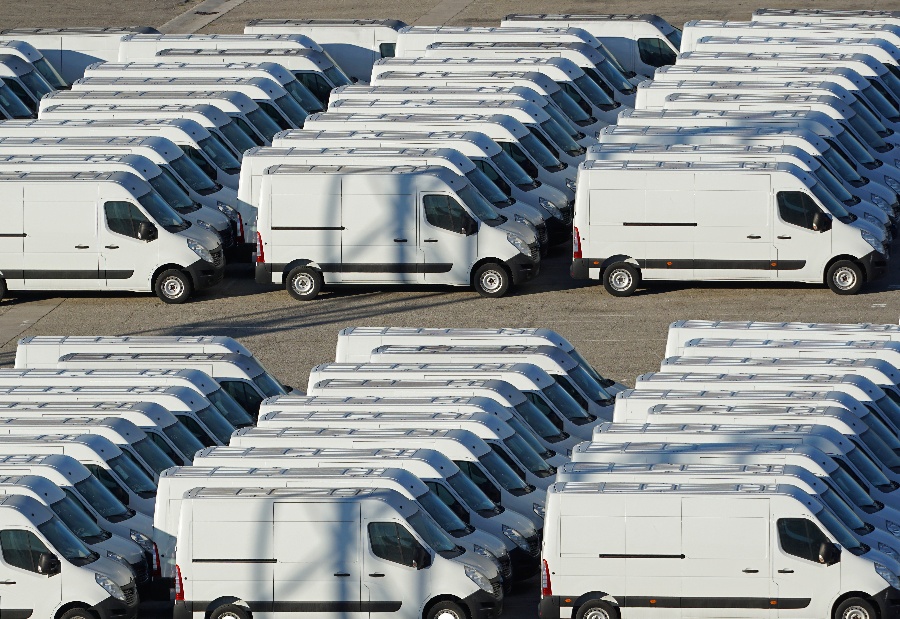





The last thing you want after locking up for Thanksgiving is a call that one of your vans or trucks is gone. For most small businesses, the long weekend means the shop is dark, the phones are quiet, and the vehicles sit in the lot longer than usual. That quiet is exactly what opportunistic thieves look for.
Holiday closures create longer dwell times and thinner staffing. Vehicles that normally move every day become stationary targets, and cargo that would normally be delivered sits unattended. Industry data consistently shows elevated risk around Thanksgiving.

Verisk CargoNet recorded 79 cargo theft incidents during the 2024 Thanksgiving period—a 64.6% jump from the year before—with food and beverage, household goods, and electronics among the top targets. Many of those incidents hit smaller operators who simply weren’t set up for an extended empty lot.
The good news is that most of the risk is manageable with practical, layered steps you can take before the holiday.
Why Holiday Weekends Are Different for Small Fleets
Thieves prefer opportunity over force. A well-lit, busy yard with regular activity is less attractive than a closed facility with loaded vans parked overnight and limited people around. Small fleets (delivery vans, service trucks, straight trucks) are especially exposed because they often lack the formal security programs of larger carriers.
As Josh Lovan of J.J. Keller & Associates has noted after decades investigating cargo theft, the pattern is consistent: thieves look for opportunity created by longer dwell times and reduced staffing. The strongest defense is simply making your vehicles and freight a harder target before the long weekend starts.
Practical Steps to Reduce Risk Before You Close
Here are the actions that make the biggest difference for small-business fleets:
- Park loaded vehicles in the most secure spots available. Prefer well-lit areas with good visibility, surveillance coverage, and restricted access. Avoid leaving high-value cargo in vehicles if you can stage it inside a secured building instead.
- Verify locks, seals, and cargo compartments. Walk the lot and confirm every door, hatch, and toolbox is locked. Make sure drivers know the company standard for securing vehicles at the end of the day—don’t leave it to habit.
- Use technology as a second set of eyes. GPS tracking and telematics systems can alert you to unauthorized movement even when the facility is closed. If a vehicle starts moving at 2 a.m., you want to know immediately. Many small fleets add these tools through their fleet partner rather than managing the hardware themselves.
- Clarify reporting procedures. Everyone who has access to the lot or vehicles should know exactly who to call if they notice a cut lock, broken window, or suspicious activity—both during the holiday and when the team returns.
- Check the basics on the facility itself. Test exterior lighting, camera coverage, and gate or access controls. A burned-out light or offline camera creates the same opportunity as an unlocked door.
These steps align with NICB cargo theft prevention guidelines, which emphasize deterrence, employee awareness, and secure parking as core layers rather than relying on any single device.
Layered Protection Works Better Than Any Single Fix
No lock, camera, or tracker stops every attempt. The operators who stay ahead combine physical security, technology, clear procedures, and people who know what to look for. If one layer fails, the next one still creates friction and time for a response.
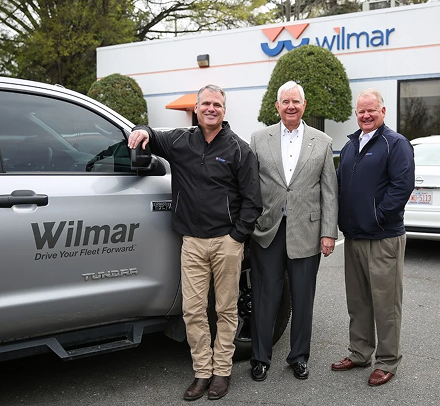
For many Southeast small businesses, that technology layer comes through their fleet management relationship. Wilmar’s fleet management services include vehicle monitoring and day-to-day support that keeps systems running while your team focuses on the business itself. Pairing tracking with routine maintenance and clear operating rules gives smaller fleets the same practical coverage larger operators take for granted.
You can also review how GPS vehicle tracking for business fleets supports both security and day-to-day operations, or explore telematics solutions for SMB fleets that deliver movement alerts without adding headcount.
What to Do When the Holiday Is Over
When the team returns, treat the first day back as a security check:
- Walk the lot and look for signs of tampering.
- Confirm all vehicles are accounted for and still where they were parked.
- Review any telematics alerts that came in over the weekend.
- Update procedures if something felt weak.
Small improvements compound. A better parking plan this Thanksgiving becomes the standard for Christmas and New Year’s as well.
Key takeaways
- Holiday closures create longer unattended periods that opportunistic thieves exploit.
- Secure parking, verified locks, clear reporting rules, and working technology form the most effective layers.
- Small fleets can get meaningful protection without building a full security department—especially when monitoring and procedures are part of everyday fleet support.
- Check the lot and systems before you close and again when you reopen.
If your fleet is already quiet for the long weekend or you’re planning the next one, a short review of parking, locks, and monitoring now is one of the highest-ROI things you can do. The goal isn’t perfection—it’s simply making your vehicles a less attractive target than the ones next door.

FAQ
How can small businesses reduce fleet vehicle theft risk during holiday closures?
Secure parking in well-lit areas, verify all locks and compartments, establish clear reporting procedures, and use GPS/telematics for unauthorized-movement alerts. Check facility lighting and cameras before closing.
Why are Thanksgiving and other holiday weekends higher risk for cargo and vehicle theft?
Vehicles and freight sit unattended longer, and facilities often operate with reduced staff. Data from Verisk CargoNet shows significant year-over-year increases in incidents during these periods.
Do small fleets need the same security as large carriers?
They need layered protection appropriate to their size. Physical security, simple procedures, employee awareness, and basic tracking tools deliver most of the benefit without enterprise-level complexity.
Can telematics help prevent holiday theft?
Yes. Movement alerts and geofencing let you know if a vehicle leaves the yard when it shouldn’t, even when no one is on site.